The Puppeteer and the Machine
For a long time, I refused AI. Not on principle. Not out of ignorance. Out of fear. The fear that everything I had spent 25 years learning, how to read light, how to feel a cut, how to understand what a face does to an image, would suddenly become worthless.
So I watched from a distance. I criticized politely. I said it was interesting, while quietly hoping it would pass.
Then the question changed shape. It was no longer: why don’t I want to? It became: why am I forbidding myself? As if touching it would corrupt something.
And then came the other thing. The one I had been avoiding thinking about.
I’ve worked with crews my entire career. Directors of photography, gaffers, art directors, stylists, talent. Real people, real jobs, real livelihoods built on the same craft I built mine on. And here I was considering, producing a complete campaign, alone, at my desk, with no one.
No crew. No set. No call sheet.
If I can do this alone, what does that mean for everyone else? I’m not naive enough to think I’m the only one asking this question. But I’m also not naive enough to pretend the question doesn’t have weight just because the tool is “extraordinary”.
I was about to contribute to something I’m not entirely at peace with. I chose to be honest about that rather than hide behind the noise. That tension doesn’t resolve. I don’t think it should. Things evolve. They always have. I don’t know yet if this particular evolution will be good or bad. But I know that staying on the sidelines out of guilt wasn’t an answer either. So I moved forward. With my eyes open.
Something shifted. If I don’t do this, someone else will. Someone who hasn’t spent 25 years understanding what makes an image hold or fall apart. And that someone will produce. A lot. Fast. For less.
So I built Nocturne — Eau de Parfum.
Nocturne is a fictional fragrance campaign. A brand that doesn’t exist (yet), a film that was never shot, characters that were never on set. Everything generated by this thing we call “AI”. Every creative decision mine.
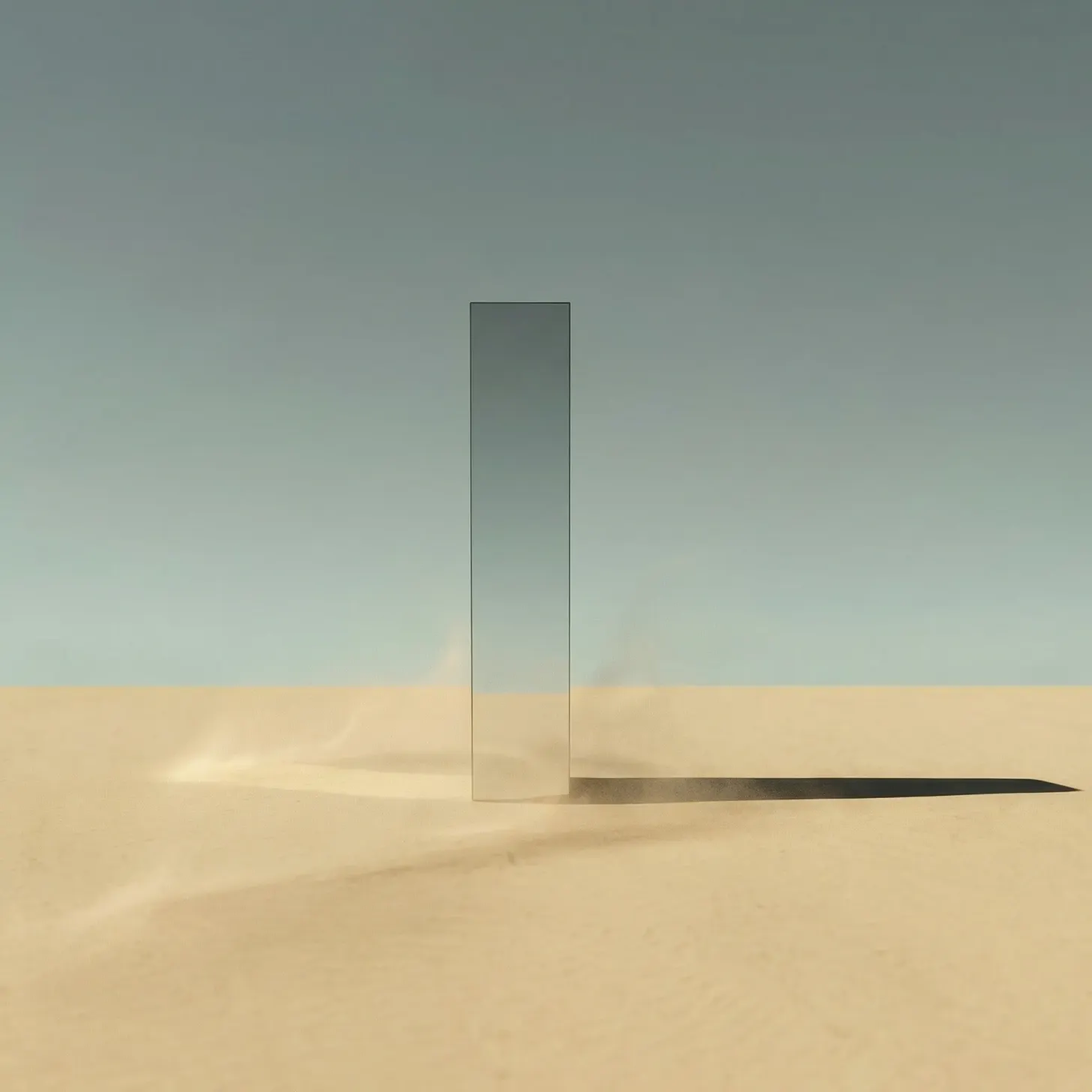
I defined the visual language. I built the shot list. I chose the light, the hour, the geography. A woman above the city. A man alone in the desert. The same golden light, the same moment, two forms of freedom.
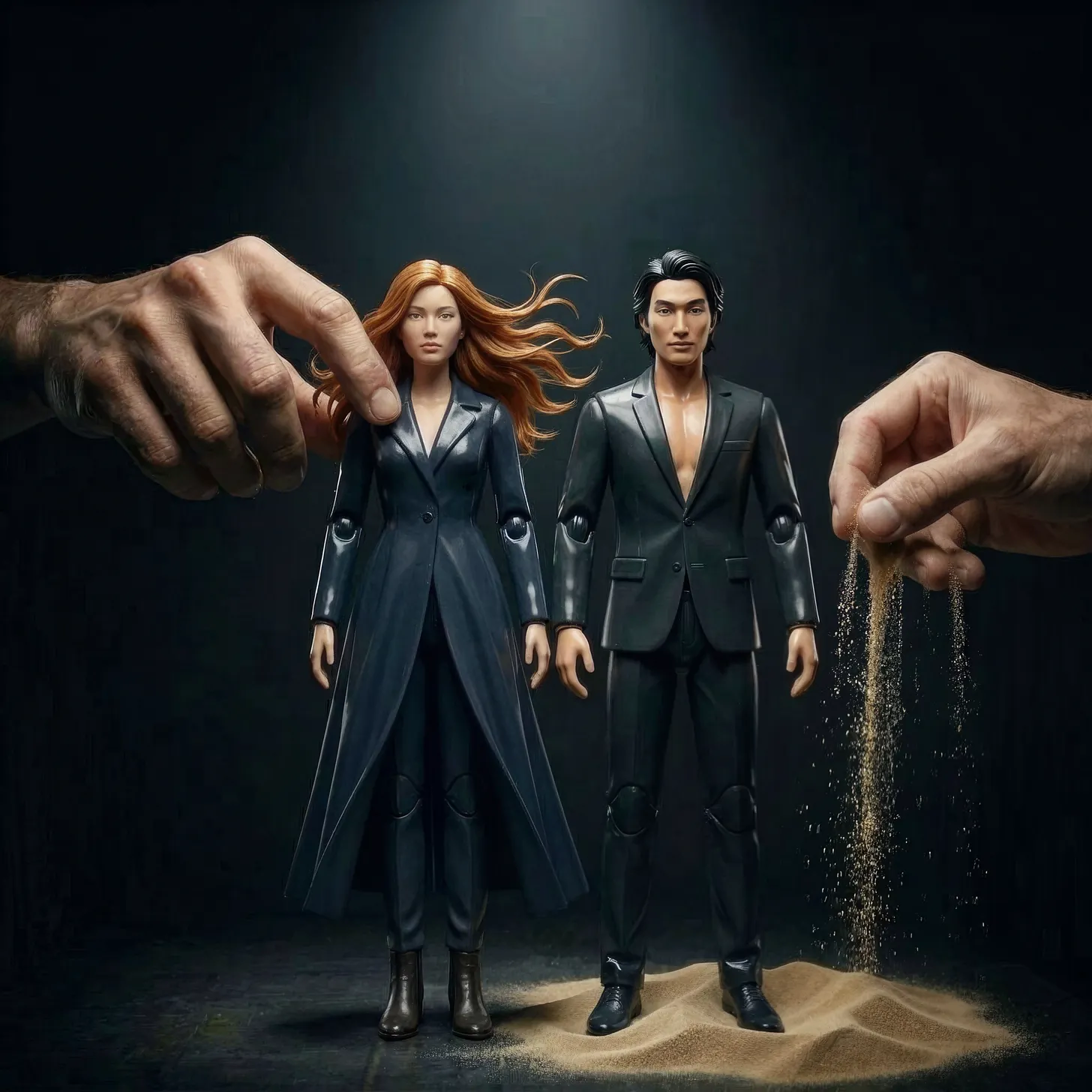
Then I realized I directed people who don’t exist.
And that’s where it got strange.
Working through contact sheets of AI-generated faces and posture, choosing this one, rejecting that one, adjusting the expression, the angle, the mood. It felt like casting. It felt like directing. And underneath it, something else, something harder to name. The sensation of having total control over beings that looked entirely real. Like playing with dolls, but the dolls were indistinguishable from people. It’s still a weird feeling. I don’t know yet what to do with it.
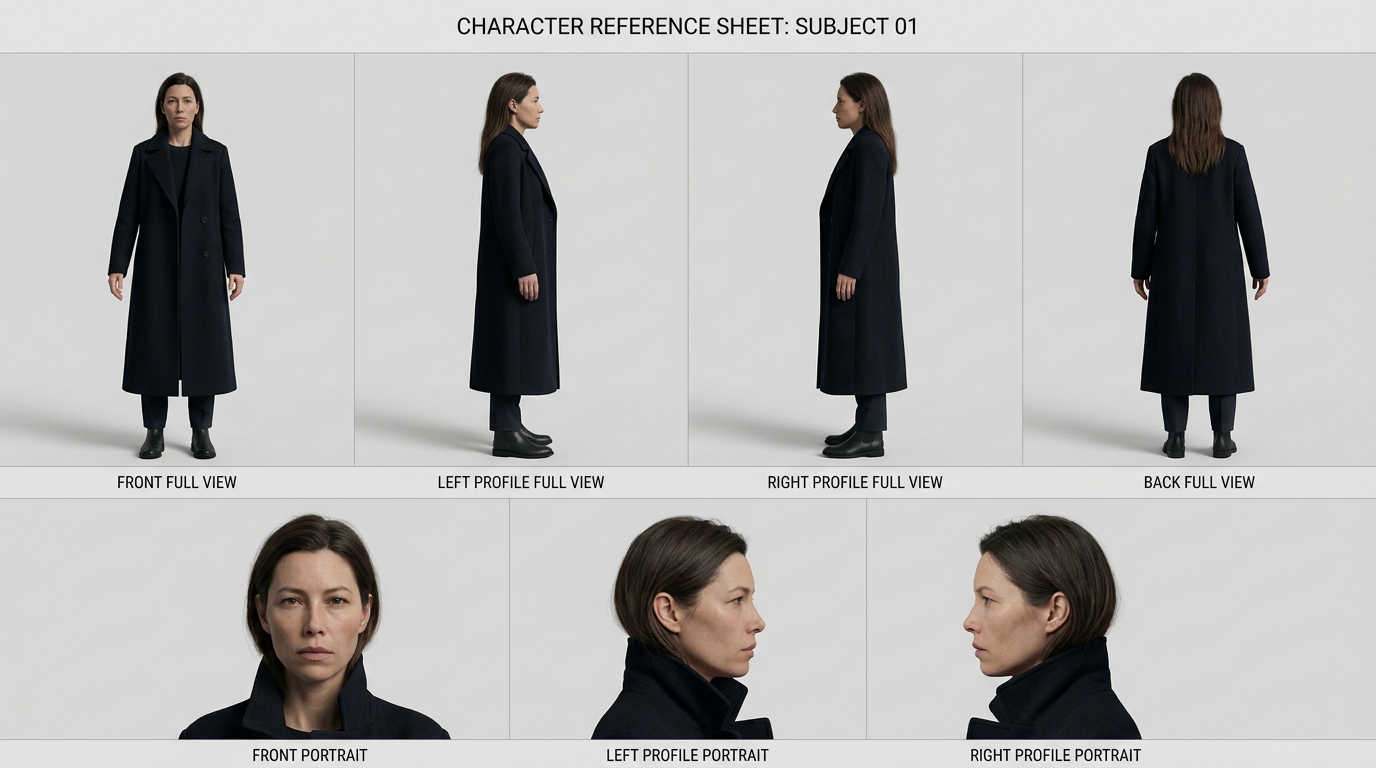
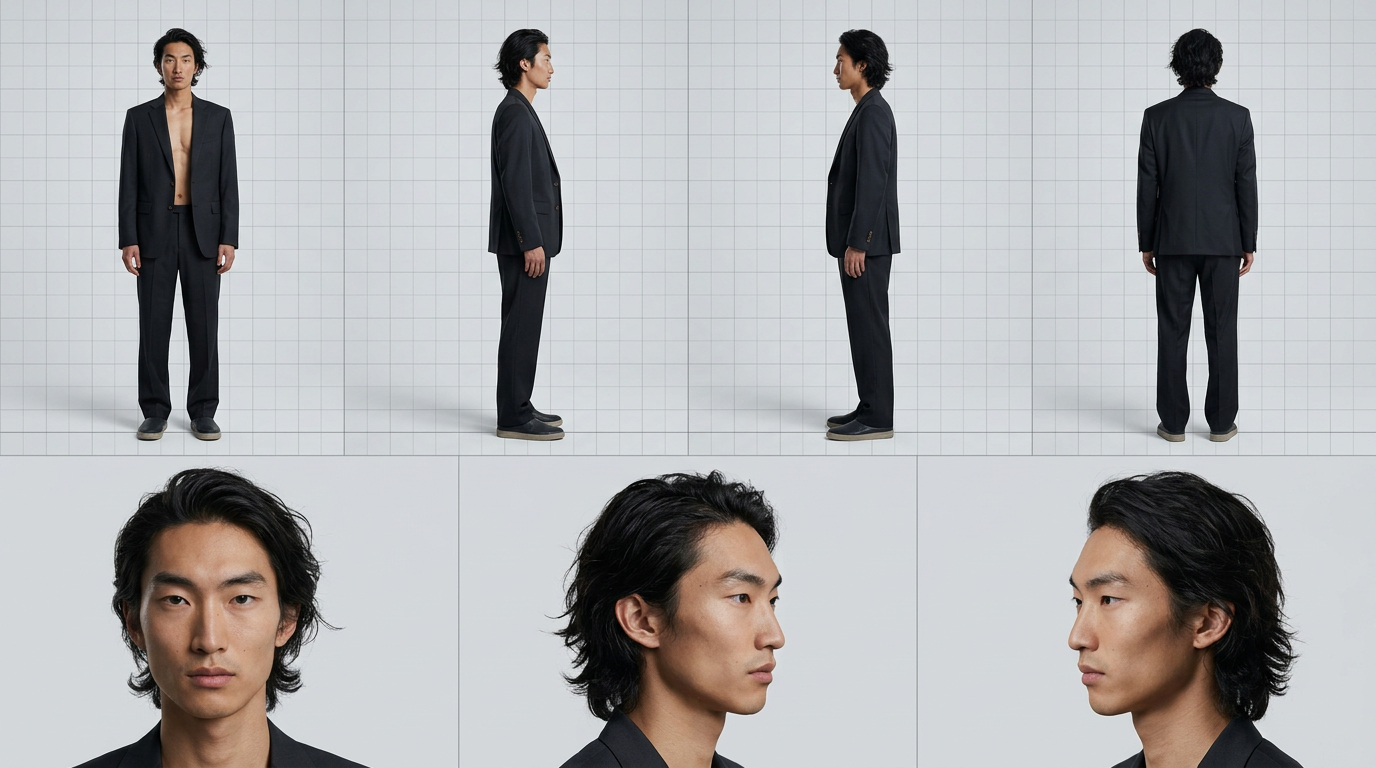
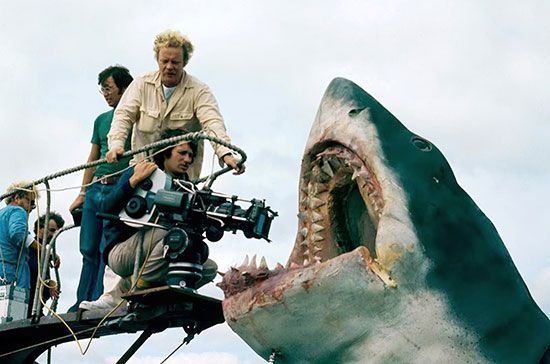
But it didn’t stop me, and when I was working on Nocturne, I felt it again. This feeling of excitement to create something. That specific pleasure of knowing. Choosing this frame over that one. Feeling the rhythm of the edit before it existed. The AI gave me the material. The eye gave it meaning. As an editor, I know where to cut. Not approximately. Exactly. One frame earlier and the emotion doesn’t land. One frame later and it’s already gone. I called it the “Jaws Cut” in homage to Verna Fields who edited “Jaws” by Steven Spielberg. And while I was crafting this campaign I was feeling that the editing process went beyond the “editing room”, from the beginning you had to have the eye when the generated image was off, it might have been this unnatural gesture, this blink that makes no sense, or this little rictus that came from nowhere. What Verna understood, and what made that film work, is that to make this big metal puppet come to life you had to know where to cut before the magic went away. The moment where less becomes everything. That kind of knowledge doesn’t live in a tool. It lives in the person holding it.
But it was not the hardest part of the process.
I am not someone who creates with words. I create with instinct. I walk onto a set and I feel where the camera goes. I sit in an edit and I hear where the cut happens before I make it. The process is physical, almost pre-verbal.
And suddenly the tool requires written language. Precise language. Detailed descriptions of things I would normally just see in my head and reach for. Learning to prompt is learning to think like a machine, and that goes against something deep in how I’ve always worked.
To be honest, I still dislike it. I’m not sure I ever will like it. There’s something in the translation from instinct to text that loses heat along the way. The image I can feel in my body is never quite the image the model returns. Something gets lost between the thought and the word.
Maybe that gap is where the work actually lives. Maybe learning to navigate it is the new craft.
Or maybe we just haven’t built the right tools yet for people who think in images rather than sentences.
I genuinely don’t know. And I think that’s worth saying out loud.
This campaign is far from perfect. I know exactly where it falls short. The first shot bothered me from the moment I saw it. It still does. But I’ve learned, over 25 years, that waiting for perfection is another word for not starting. And there’s something honest about showing work that’s still searching, that hasn’t resolved all its questions, because that’s what research actually looks like. Not a finished answer. A documented attempt.
What I know, after Nocturne, is that I’m not done asking the questions.
Not the technical ones. Those will answer themselves as the tools evolve. But the deeper ones. What does it mean to direct when the set is a prompt window? What do you owe to the people your work displaces? How do you stay true to an instinct that the process keeps asking you to translate into something it’s not?
I built Nocturne as an experiment. Not to prove something. To find out. The tools are extraordinary. What they can’t tell you is whether you have anything worth saying with them. That question stays entirely yours.
But I also know this is not my first time working in the unknown. Instinct was never certainty. I never knew exactly what I was making until it was made. The accident, the unexpected frame, the cut that works for reasons you can’t explain, that’s always been part of it.
What’s different here is the nature of the surprise. With AI, the accidents come from somewhere else. From a model interpreting what I tried to describe, returning something I didn’t quite ask for, but sometimes, something better than what I imagined. That’s new. And that unfamiliarity, after 25 years, is the most interesting place I’ve been in a long time.
Maybe that’s reason enough to keep going.