Beyond the frame of reality
Recently, while working with the generative video platform Flick to create shots for a short film I co-directed with my friend Nguyen-Anh Nguyen, Echoes of the Sun, I had a revelation I wasn’t expecting. Getting exactly the shot I envisioned gave me the feeling of finally accessing the palette of my dreams. The moving image became a malleable and infinitely more accessible medium. This technological shift reminds me of a strong historical parallel: the Impressionists.
When they stepped out of the dimness of their studios to paint outdoors in the open air, they didn’t reject the past or the craftsmanship of their predecessors; they transcended it. This transition wasn’t merely an aesthetic stance; it was born from a very concrete technical evolution, notably the invention of flexible paint tubes. Encountering sunlight in real time revolutionized their practice. I have the deepest conviction that AI plays that very role for us today. Far from being a break with the past, it draws upon centuries of art and cinema to propel us elsewhere. It’s a technical liberation that finally allows us to create exactly what we want to create.
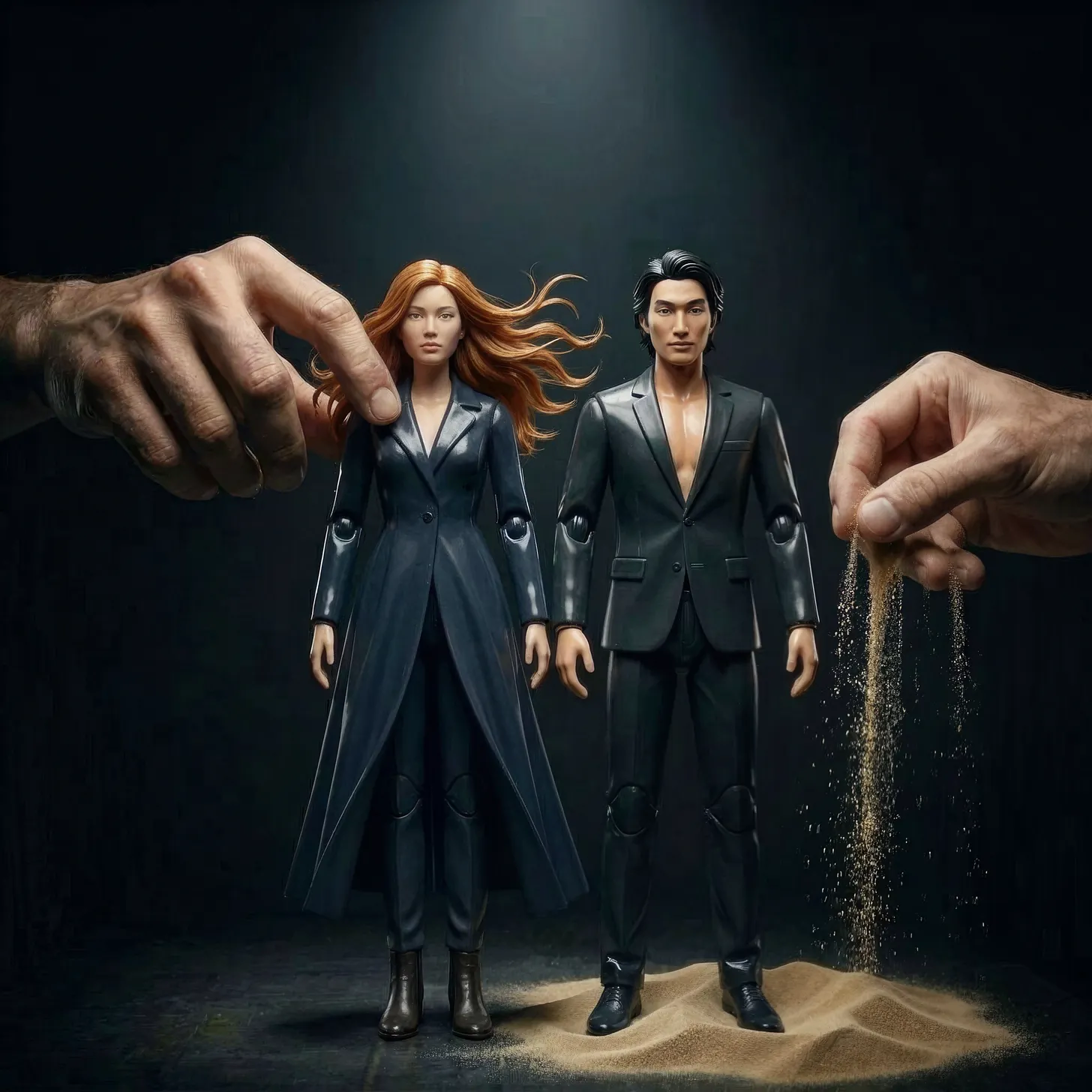
Yet, the picture is far from perfect. For someone like me, who has always approached design, editing, or directing in a purely instinctive way, the current paradigm of AI imposes a delicate constraint: everything goes through words. You have to describe, intellectualize, and articulate every nuance through a prompt. It’s a radical change in mindset. We are still far from that absolute fluidity where the hand is a direct extension of the mind, connected without friction to the ideas that cross one’s head.
Formerly, the process of making a film was long and laborious, certainly, but the transmission of information between the artistic intention and the technical gesture had a unique organic fluidity. Today, we must relearn to dialogue with a machine that demands textual clarity where we sometimes only have a visual intuition. And with these tools, we are going to face an entirely new kind of confrontation: the reality check of our own perfect imagination. When we can finally generate exactly what we have in mind, we might just face the ultimate disappointment, realizing our idea wasn’t as great as we thought.
Working this way has taught me something unexpected: the prompt isn’t a cage. It’s a resistance, and resistance is where I’ve always found my voice.
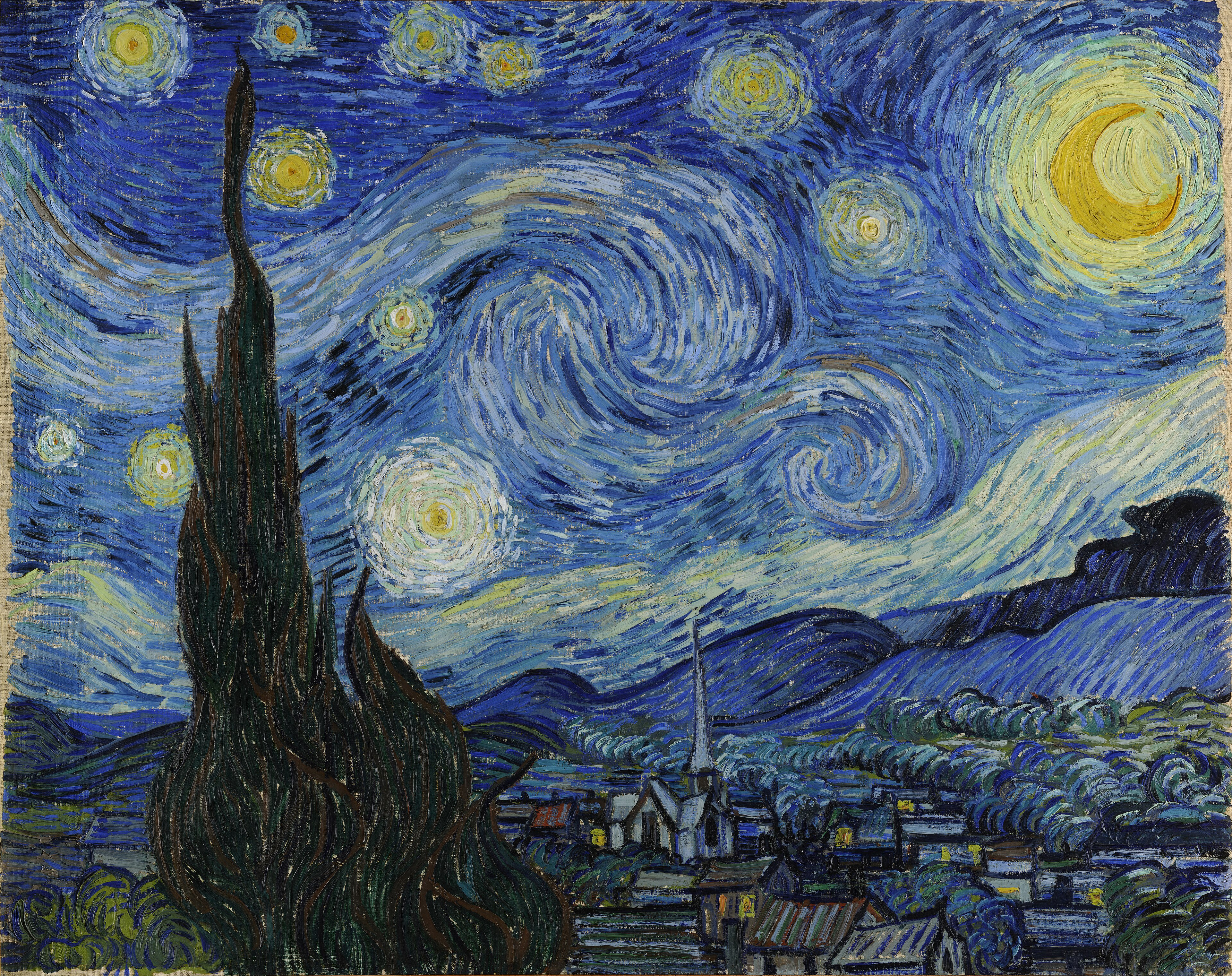
But this shift also opens up something much deeper. By taking away the struggle of technical execution, AI might finally free us from the obligation to copy reality. It allows us to move away from literal representation and toward pure expression. Think of Vincent van Gogh painting La Nuit étoilée (1889). The sky never looked like that objectively. It wasn’t a replica of the night; it was his truth, filtered through his sensitivity, his raw emotion, and his life experience. This is where the true horizon of artificial intelligence lies for visual creators. By removing the heavy logistical and financial barriers of physical production, it forces us back to that level of pure, unfiltered expression. It challenges us to find out what we actually carry deep within ourselves when realism is no longer the goal.
Stripped of technical distractions, our role changes. We are no longer managing the mechanics of a shoot. We are sharpening the emotional truth of a story. And that truth can only come from one place: what we actually carry inside us, unfiltered.
We are only at the very beginning of this path.